


Smarter Property Decisions:
Weekly Articles
Our weekly collection of articles and insights, created to help you stay informed, make better decisions, and keep up with what’s happening in the industry

Can You Still Buy Property Through Your Super?
Many people saw this year's headlines and concluded that buying...

Why Mildura is performing better than expected
All regional towns have the same challenges: being accessible to...

Why Ararat is worth considering
If you have driven between Melbourne and Adelaide, there is...
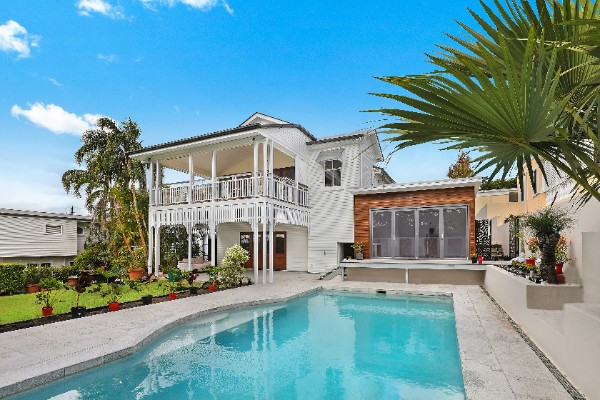
The downturn has now reached 93 per cent of suburbs
Australia's property market has been weakening for months and it...

Why Bendigo is a good buy
Most people know Bendigo as an old gold town about...

What a Falling Market Actually Means if You Own Property
One of Sydney's most experienced auctioneers, a man who has...

Developer margins have collapsed, and this explains the supply problem
Everyone agrees Australia needs more homes. Governments say it. Buyers...

Why Albury-Wodonga Is Worth Looking At
Albury-Wodonga sits on the NSW/VIC border, about 300km from Melbourne...
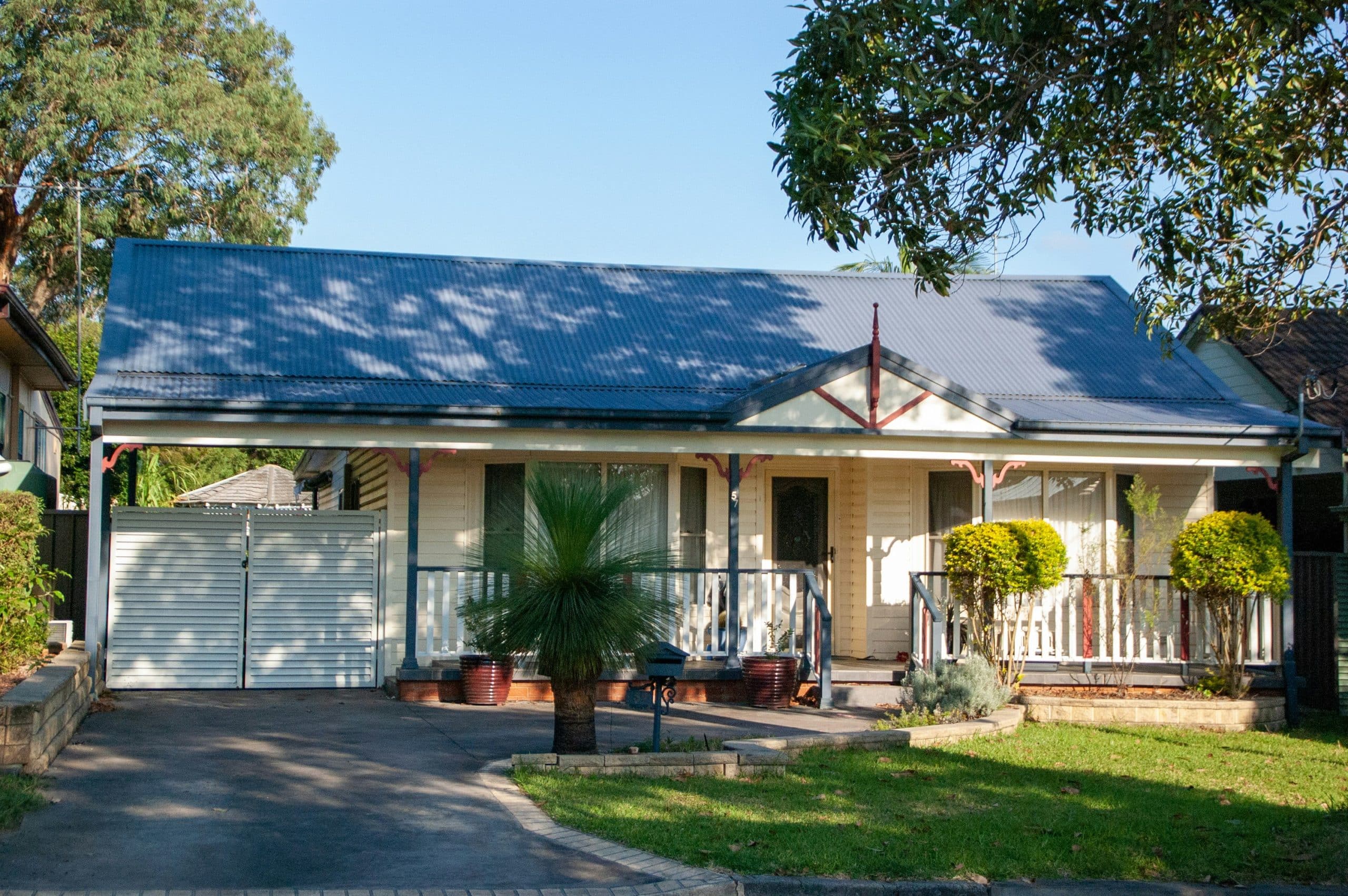
Rents Went Up Again. So Why Do We Keep Blaming Investors?
Sydney rents went up again over the year to mid-2026...

Burnie, Tasmania’s North-West: What Investors Should Know
Burnie does not often come up in conversations about property...

Australian Property Prices Are Falling: What the July Numbers Actually Show
Prices are falling. That part is now clear. June was...

Why I Think Greater Hobart Is Worth a Serious Look Right Now
Hobart values are up 9.3% over the year, well ahead...

Clearance Rates Bounced. That Does Not Mean the Market Has Turned
This article breaks down what the latest clearance rates actually...

Five Suburbs Worth Knowing in the Latrobe Valley
Most investors who come to me asking about regional Victoria...

SMSF Residential Lending Is Being Banned. Here Is What Investors Actually Need to Know
There has been a lot of movement around superannuation and...

Which Suburbs Will Feel the Impact of Investor Tax and Borrowing Changes?
There is no shortage of opinions on how tax reform...

Why Ballarat Is One of Victoria’s Strongest Regional Plays Right Now
Most people see Ballarat as a Melbourne commuter town. I...
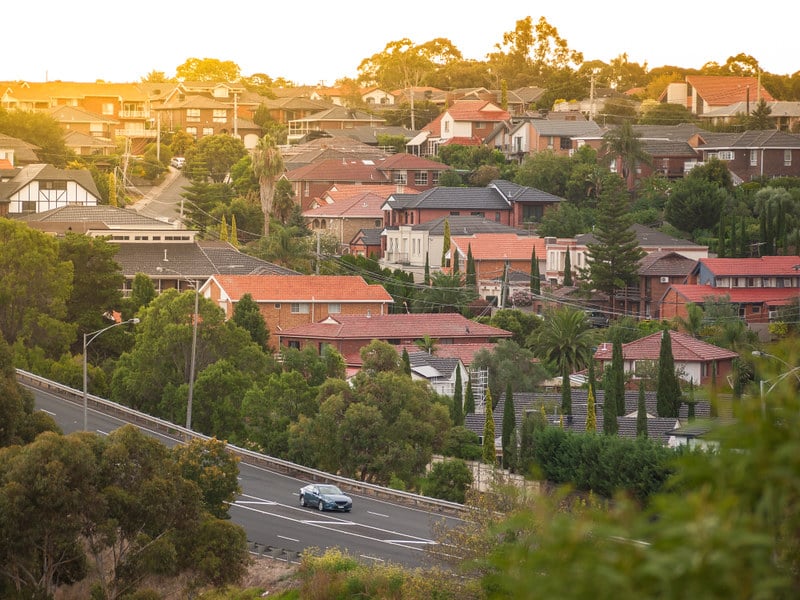
Which Suburbs Will Feel the Impact of Investor Tax and Borrowing Changes?
Two forces are now working on the same group of...

Why I Think Wagga Wagga Deserves More Attention From Investors
Most people think of Wagga Wagga as a regional town...

Should You Buy Property Through a Trust Under the New CGT Rules?
Ever since the Federal Budget in May, one question keeps...

Australia Does Not Just Have a Rental Crisis. It Has a Supply Pipeline Problem
The phrase “rental crisis” gets thrown around a lot right...

The Quiet Shift Happening in Property Investing Right Now
A subtle but powerful shift is taking place in property...

The Budget Just Made Due Diligence More Important Than Ever
There has been a lot of conversation since last week’s...

Why Established Properties May Not Become Less Valuable After the Budget
The Federal Budget handed down last week has triggered a...
The Federal Budget Just Changed Capital Gains Tax. Here Is What Investors Actually Need to Know
There has been a lot of attention on negative gearing...

The Federal Budget Just Changed Negative Gearing. Here Is What Investors Actually Need to Know
There has been a lot of noise around negative gearing...

The Biggest Property Mistakes Happen Before Settlement
Most people assume the risk in property investing sits around...

Why Finance Is Quietly Becoming the Hardest Part of Buying Property
Finance gets spoken about like it is just a step...

The Two Speed Property Market No One Is Explaining Properly
The property market in Australia feels confusing right now. Some...

Australia Does Not Have a Property Problem, It Has a Supply Problem
A lot of people talk about the Australian property market...

Why Multi Generational Living Is Becoming Normal in Australia
The way people live is changing. That shift is starting...

What Looks Like a Good Property But Is Not
A lot of properties look good on the surface. They...

The Real Reason Some Investors Never Get Ahead
A lot of people get into property investing with the...
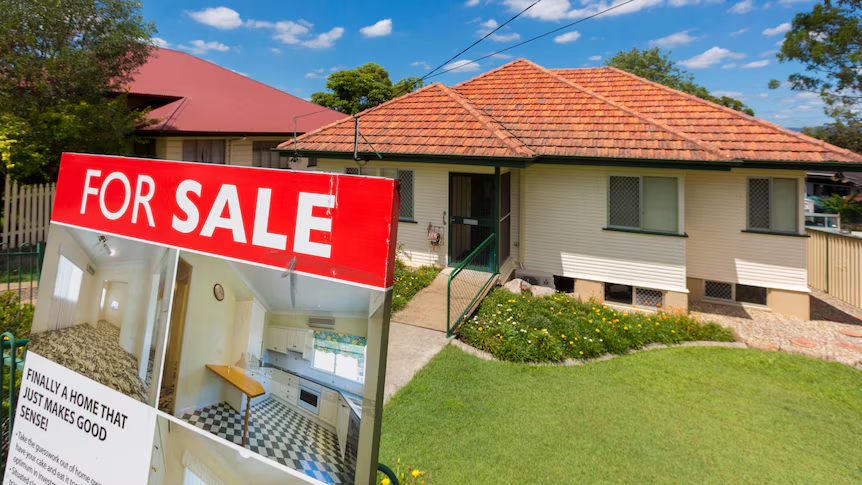
Why Your First Property Matters More Than Your Second
A lot of investors spend time thinking about what comes...
Equity Is the Tool Most Investors Misunderstand
Equity is one of the most talked about concepts in...

Is now a good time to invest in property in Australia?
There is a lot of noise around the property market...

Why Borrowing Capacity Matters More Than the Property You Choose
Most investors spend a lot of time thinking about the...

Can I invest in property with low income?
A lot of people assume property investing is only for...

Is Regional Property Investment Worth It in 2026? Key Insights for Investors
With more investors looking outside major cities, regional property continues...

Negative Gearing in Australia: Is It Still Worth It in 2026?
A tax deduction does not make a property a good...

7 Costly mistakes first-time investors make (and how to avoid them)
Most first-time investors waste 6-12 months spinning their wheels, making...

What Actually Builds Wealth in Property Investing?
Most people think they understand how wealth is built through...

10 things to check before buying an investment property
Use this checklist to evaluate any investment property before you...
FAQs
Timeframes vary depending on your budget, borrowing capacity, location criteria, and market conditions. We don’t rush purchases just to ‘get a deal done’ — we wait for the right asset that fits your strategy.
Right now, higher interest rates, higher entry prices, and historically suppressed rental yields mean that most quality properties will run at a small short-term shortfall. This is the reality across Australia in 2026.
Properties that are cash-flow positive from day one are usually found in:
• Mining towns
• Single-industry locations
• Highly volatile markets
We don’t buy in these areas because they carry significantly higher risk, weak long-term growth prospects, and unpredictable rental demand.
Instead, we focus on assets that may start slightly negative but have clear pathways to becoming cash-flow neutral or positive over time, through:
• Rental growth
• Interest rate reductions
• Refinancing as equity is created
Our philosophy is simple:
Short-term cash flow pain for long-term wealth creation — not risky yield chasing.
• High-rise apartments (oversupply, poor capital growth, strata issues)
• Poorly positioned new estates (no infrastructure, no jobs, no demand, high supply)
• High yield stock without fundamentals (looks good on paper, doesn’t grow)
• Mining towns (high yield today, ghost town tomorrow)
• Single-industry locations (one employer leaves, the market collapses)
Instead, we focus on:
• Stand-alone houses with land (scarcity drives growth)
• Strong rental demand (tenants want to live here)
• Predictable capital growth pathways (infrastructure, jobs, supply constraints)
• Established suburbs at the start of growth cycles (not peak or decline)
Our philosophy:
Buy assets that grow — not just assets that are available.
We avoid:
• Single-industry towns
• Speculative or hype-driven markets
• Poorly located stock and oversupplied assets
We prioritise:
• Diverse local economies
• Owner-occupier demand
• Tight supply dynamics
• Proven long-term growth fundamentals
Every property must pass multiple data and qualitative filters before we proceed.
We handle:
• Price negotiation and agent strategy
• Comparable sales analysis
• Building & pest coordination
• Rental appraisals
• Risk checks and contract review support
Our role is to protect you from overpaying or missing hidden risks.
Our process, research, and risk framework are designed specifically for investment outcomes — not emotional or lifestyle-driven purchases.
We don’t restrict ourselves to one state — we go where the fundamentals, supply-demand balance, and long-term growth drivers make sense at that point in the cycle.
We don’t guarantee outcomes. Instead, we aim to help clients:
• Achieve short term capital growth to have the ability to withdraw equity and go again
• Also Build equity over time
• Improve borrowing capacity
• Create repeatable portfolio growth
Property is a long-term strategy — we design portfolios with that in mind. See our Client Results for more
• High-rise apartments (oversupply, poor capital growth, strata issues)
• Poorly positioned new estates (no infrastructure, no jobs, no demand, high supply)
• High yield stock without fundamentals (looks good on paper, doesn’t grow)
• Mining towns (high yield today, ghost town tomorrow)
• Single-industry locations (one employer leaves, the market collapses)
Instead, we focus on:
• Stand-alone houses with land (scarcity drives growth)
• Strong rental demand (tenants want to live here)
• Predictable capital growth pathways (infrastructure, jobs, supply constraints)
• Established suburbs at the start of growth cycles (not peak or decline)
Our philosophy:
Buy assets that grow — not just assets that are available.
It’s influenced by:
• Income (salary, business income, rental income)
• Expenses (living costs, debts, lifestyle spending)
• Credit history (any defaults, late payments, or high credit card limits)
• Existing debt (car loans, personal loans, HECS/HELP)
Here’s the mistake most buyers make:
They start searching for properties before they know what they can actually borrow.
Then they find the perfect property — and realise they can’t afford it.
We don’t let that happen.
We can connect you with brokers who pre-assess your borrowing capacity, so you know exactly what you can afford before we start searching.
No wasted time. No missed opportunities. No surprises.
We use data-driven suburb analysis:
• Supply vs demand (is the market oversupplied or undersupplied?)
• Jobs growth (are people moving here for work?)
• Infrastructure (new roads, hospitals, schools driving growth?)
• Affordability (can renters and buyers afford to live here?)
• Risk assessment (flood, fire, single-industry exposure?)
Then we assess property fundamentals:
• Land value (is there actual land, or just air rights?)
• Yield potential (can it hold a tenant long-term?)
• Growth trajectory (is it at the start, middle, or end of a cycle?)
Finally, we match this to your personal goals: budget, timeline, risk tolerance, and investment strategy. The result? A shortlist of 3-5 markets and properties that stack up long-term — not just today.
The cost of a buyer’s agent isn’t the fee. It’s the cost of buying the wrong property.
A bad property can cost you $50,000–$100,000+ in lost growth, poor rental demand, or selling at a loss.
Our clients pay our fee once — but they avoid buying:
• Overpriced properties (we negotiate hard)
• High-risk locations (we filter out volatility)
• Poor fundamentals (we shortlist growth pathways)
Most find that the time saved, negotiation leverage, off-market access, and having someone working exclusively for their best interests more than justify the cost.
You’re not paying for property links. You’re paying for strategy, research, and execution.
We research 100+ suburbs, analyse supply/demand data, map growth cycles, and shortlist 3-5 investment-grade markets before we even start looking at properties.
Then we source off-market deals, negotiate aggressively on your behalf, conduct forensic due diligence (building inspections, contract review, flood/bushfire checks), and manage the entire purchase process from contract to settlement.
Our job is simple: buy you a property that will actually grow — not just one that’s available.
Ben Canty talks property investing
Watch some insightful videos from our Founder & Director at Liberates Buyer’s Agency.
5.0 
